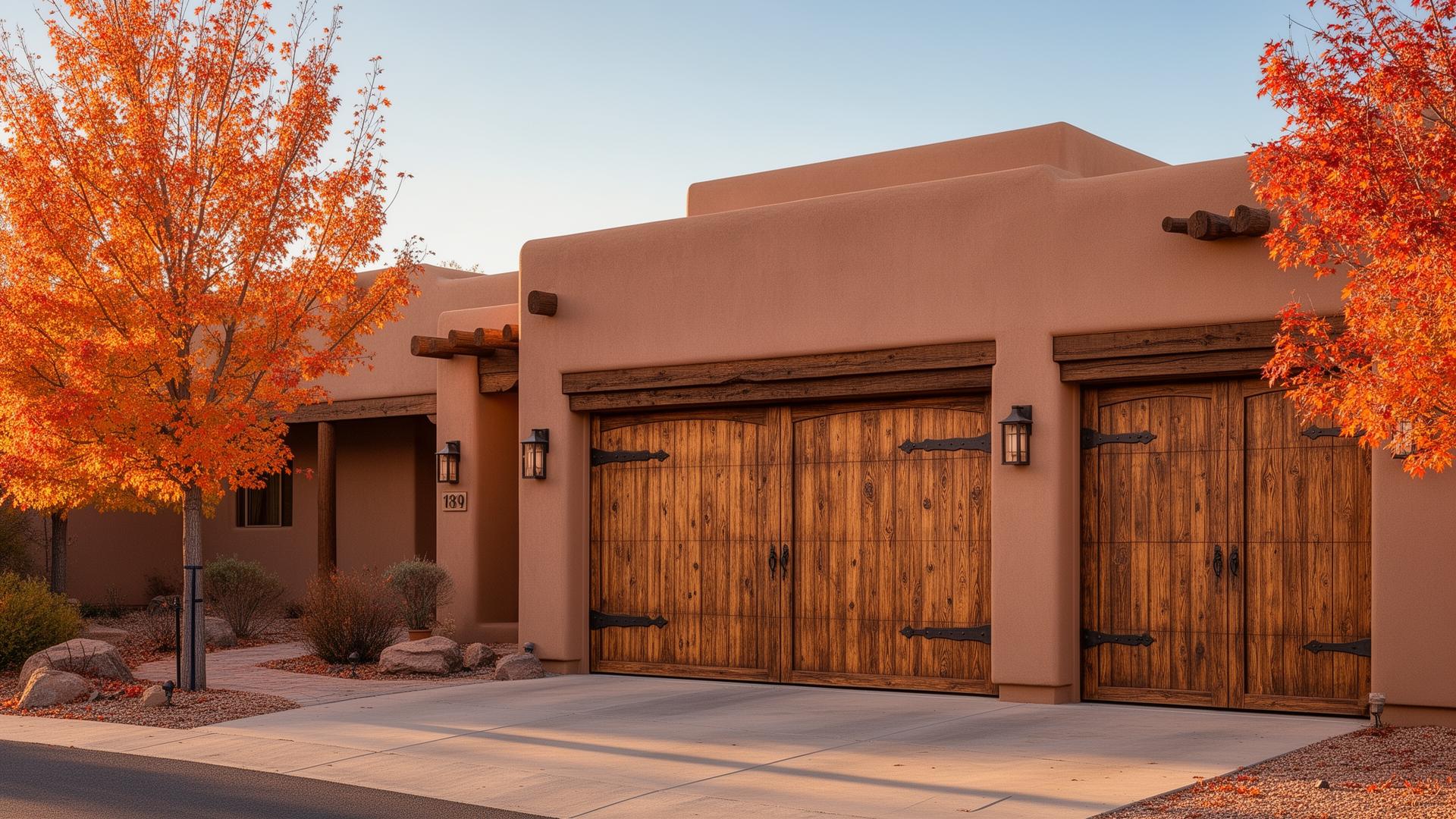
Garage Door Maintenance in Wilbur: The Homeowner's Checklist
2026-09-17 8 min read
A stuck garage door ruins your morning and signals deeper problems ahead. Regular garage door maintenance in Wilbur stops small issues from becoming emergencies. The good news: a structured tune-up prevents 80 percent of opener failures and spring breakdowns. Most homeowners skip maintenance until something breaks, then face repair bills that could've been avoided with basic care.
Why Wilbur Homeowners Can't Skip This Step
Our region's freeze-thaw cycles, moisture, and dust create the perfect storm for garage door wear. Winter here is particularly brutal. Springs lose tension faster. Tracks collect debris and rust. Lubricant thickens in cold snaps. By spring, you're left with a sluggish system that taxes your opener and shortens its lifespan.
I've responded to emergency calls from homeowners who thought "it'll probably be fine." A door that moves slowly one month fails completely the next. That's when same-day service becomes critical, but a proper inspection beforehand prevents the crisis altogether.
The Core Maintenance Checklist
Visual Inspection
Start simple. Open the garage door halfway and look for visible damage. Check the springs for gaps or rust. Springs last 7 to 9 years in Wilbur's climate, not 10. Look at the cables running alongside each spring. Any fraying or separation means professional help is needed immediately. Do not attempt to adjust springs yourself. A broken spring can cause the door to fall suddenly.
Examine the tracks on both sides. Dirt and debris accumulate here. Straighten minor dents with a rubber mallet. If a dent prevents the rollers from moving freely, schedule a professional inspection.
Lubrication and Movement
This is where most homeowners fall short. Spray white lithium grease or silicone lubricant on the hinges, rollers, and track. Avoid WD-40 and chain lubricants. They attract dust and gum up systems. A proper lubrication keeps movement smooth and reduces strain on your opener motor.
Operate the door slowly while listening for grinding, squeaking, or popping sounds. Noise signals misalignment or worn parts. If the door moves unevenly or hesitates at the halfway point, stop and document it for a professional. See our guide on opener troubleshooting for more detail on noise diagnostics.
Testing Safety Features
Press the emergency release handle and ensure the door lifts smoothly by hand. If it's too heavy or resists movement, springs may be failing. Test the photo eye sensors by waving your hand across them while the door closes. The door should reverse. If it doesn't, the sensors need adjustment or replacement.
**Need garage door maintenance in Wilbur today?** Call 15096actually6403389. We cover same-day service across the area.
When to Call for Professional Help
Some issues require trained eyes and specialized tools. If your door makes a loud bang or clunk during operation, a spring or cable has likely failed. If it closes unevenly or hangs to one side, track alignment is off. Attempting DIY fixes on these problems risks serious injury.
A professional tune-up includes adjusting the door's tension, cleaning tracks thoroughly, lubricating all moving parts, and testing the safety reversing mechanism. The cost varies by condition, but asking for a free estimate lets you understand the scope of work before committing. Get a quote online or schedule a maintenance estimate through our contact page.
For homeowners preparing for winter, our fall preparation guide covers seasonal steps to prevent winter breakdowns.
Building a Long-Term Maintenance Plan
Consistent maintenance costs far less than emergency repairs. Schedule a professional inspection every 12 to 18 months. Keep a log of work done. Replace weatherstripping and seals when they crack. Clean tracks monthly and lubricate quarterly.
If your door is older or you're seeing signs of decline, review how long a garage door should realistically serve you. Our lifespan guide explains what shortens a door's life in Wilbur and when replacement becomes the smarter choice financially.
Preventive care saves money and keeps your family safe. A well-maintained door operates quietly, opens reliably, and won't trap you outside on a freezing morning. Start with the checklist above. If anything seems off, contact us for a same-day assessment.
Frequently Asked Questions
How often should I lubricate my garage door? Lubricate all moving parts quarterly, or every three months. If your door operates daily or the climate is particularly dusty, increase frequency to every six weeks. Use only silicone or white lithium grease, never general-purpose oils.
What does a professional tune-up include? A full tune-up covers track cleaning and alignment, spring tension adjustment, cable inspection, roller lubrication, safety sensor testing, and door balance verification. The specific cost depends on your door's condition and age.
Can I perform maintenance myself? Basic tasks like cleaning tracks and lubricating hinges are safe for homeowners. Never adjust springs, cables, or opener settings yourself. These components carry extreme tension and cause serious injury if mishandled.
How do I know if my springs need replacement? Springs typically last 7 to 9 years. Signs of failure include loud banging sounds, the door feeling heavier than normal, or visible gaps between spring coils. A professional inspection confirms whether replacement is needed.
Does maintenance really prevent emergency repairs? Yes. Regular inspection catches wear before failure occurs. Most emergency calls stem from neglected maintenance. A modest investment in tune-ups prevents costly repairs and extends your door's life significantly.